
Poaching has a huge impact on our waters. Illegal nets kill fish without any limits or closed seasons, and at the same time pose a danger to people using the water.
Poaching – the illegal business devastating our waters
Poaching is a much bigger problem than most people realize. Nets appear in lakes, rivers, and the Baltic Sea, and their owners often do not act by chance – this is an organized business focused on catching and selling fish.
POACHING HAPPENS EVERYWHERE
Lakes, rivers, the Baltic Sea.
It doesn’t matter what kind of body of water it is.
If there are fish there, a poacher may appear as well.
I was shocked myself when I saw how large the scale of this problem is.
And increasingly, it doesn’t look like the activity of a few poor people fishing just to have something to eat.
It’s just business.
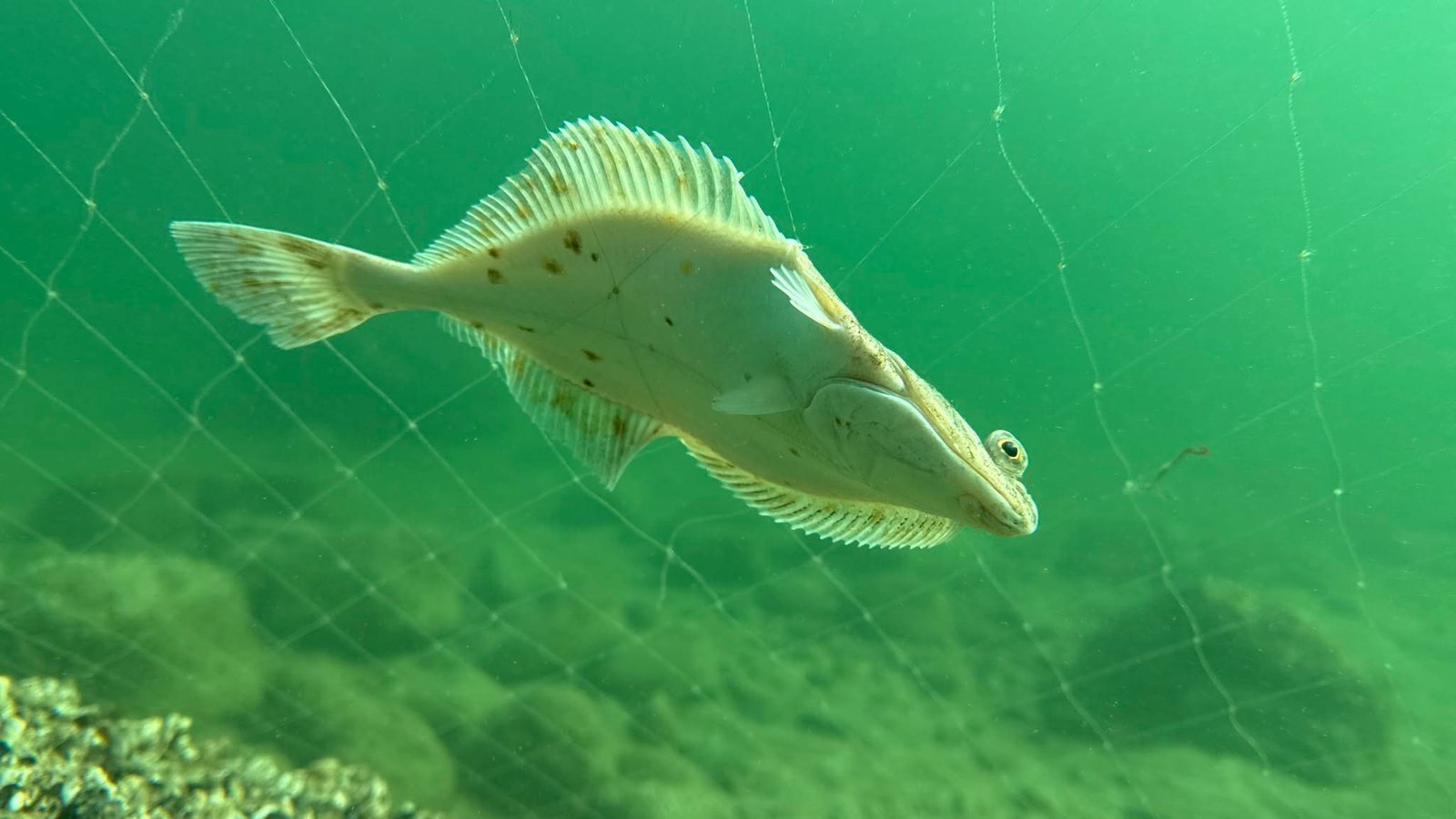
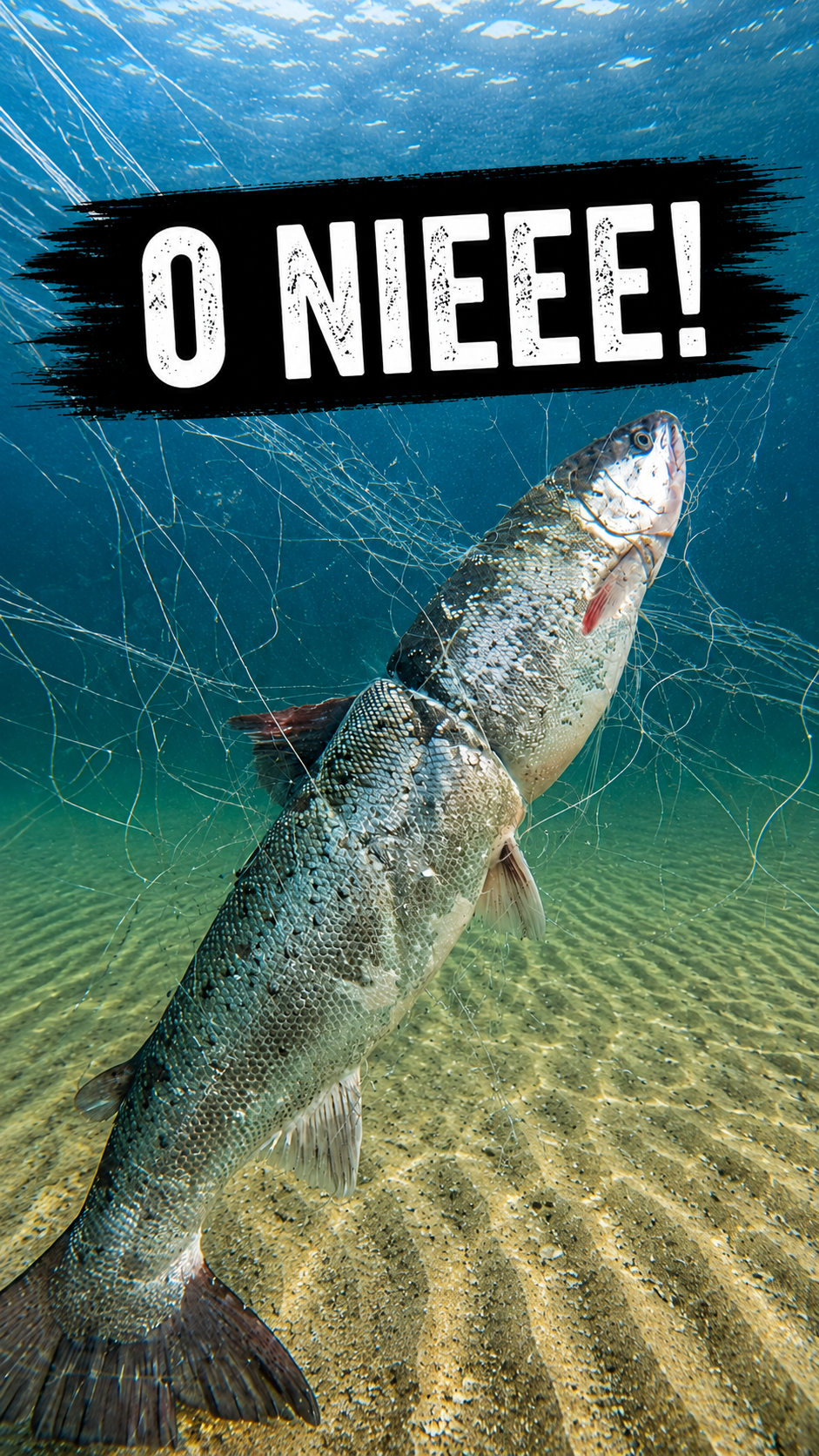
Flounder caught in a poacher’s net, Baltic Sea, Gąski. Released.
THESE ARE NOT RANDOM NETS
Organized groups know exactly what they are doing.
They guard their nets.
They watch the area.
They have sensors and warning systems.
They know when they can act and when they need to retreat.
And the caught fish later go for sale.
Poaching can simply be a way to make money.
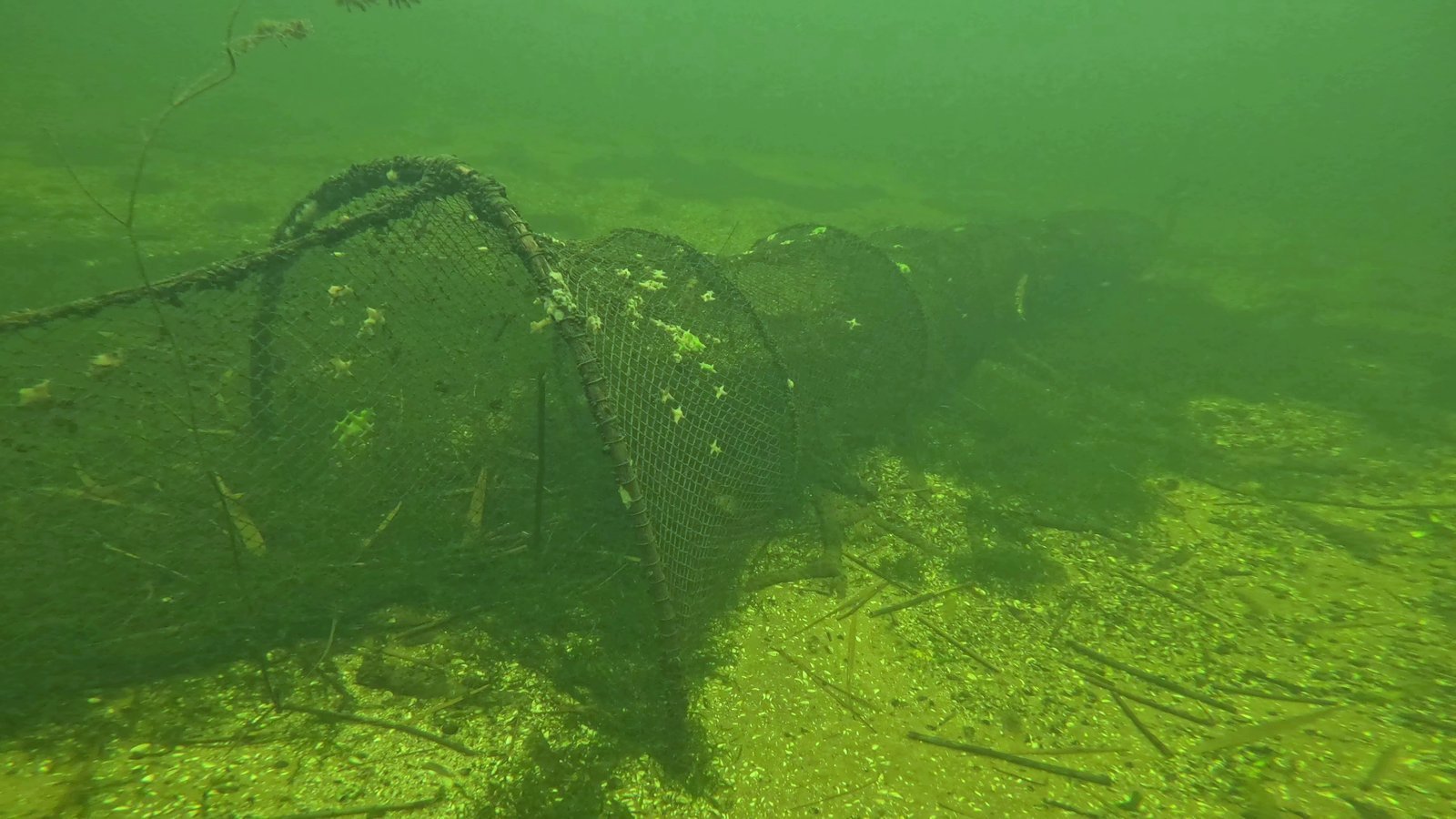
Poaching trap found in Lake Dąbie. Removed, fish released.
NO RULES
Poachers don’t care if a fish is in a protected season.
They don’t care about limits.
They don’t care about species protection.
They kill everything that gets caught in the net.
Big fish, small fish, protected species, or fish during spawning season – for a poacher, the main thing is whether it can be sold later.
And that is why poaching is such a big threat to our waters.
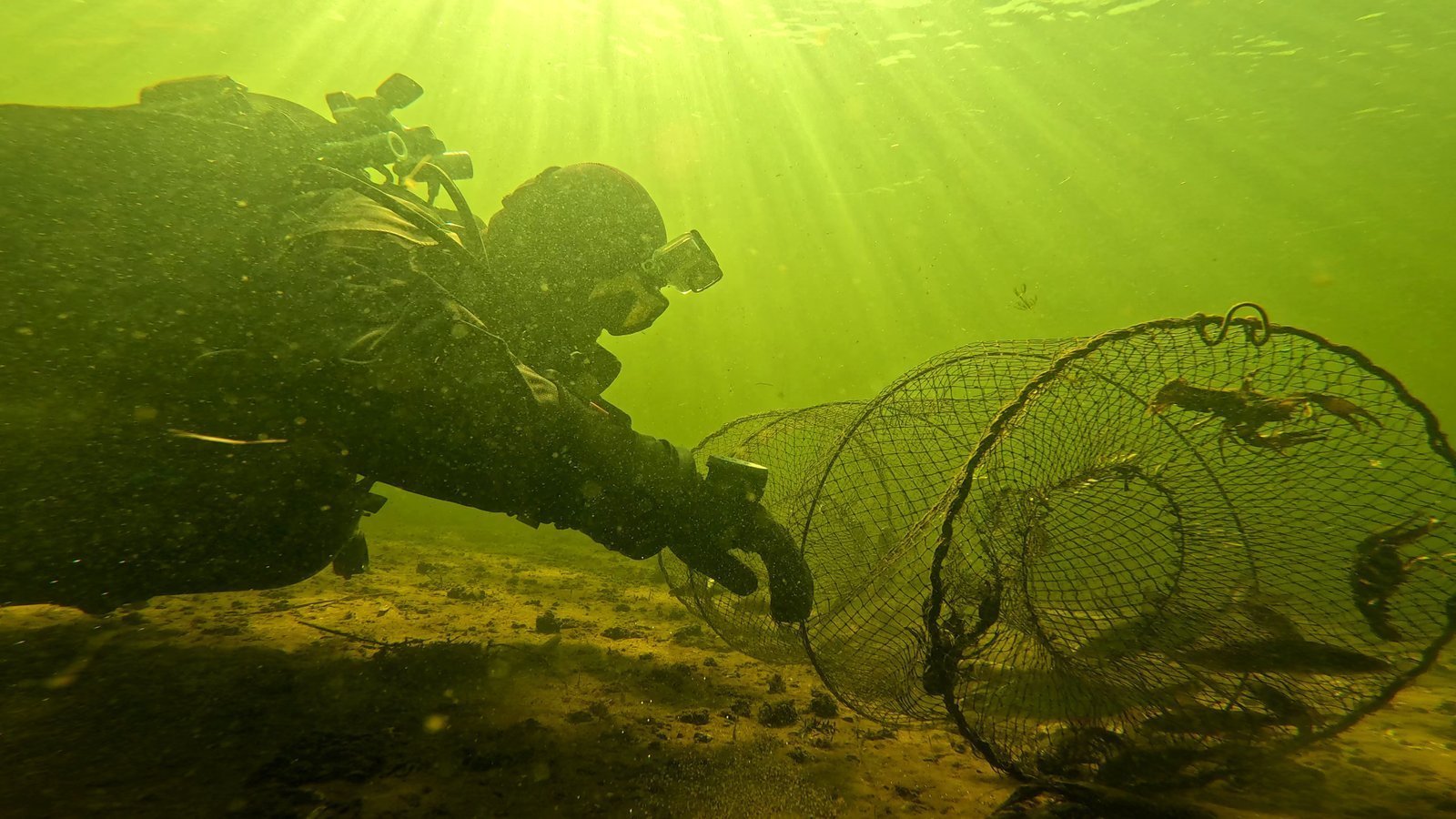
Releasing fish from a poacher’s trap. Lake Dąbie.
NETS THREATEN NOT ONLY FISH
Illegal nets are also a huge danger to people.
They can pose a threat to:
- divers
- swimmers
- sailors
- boats
A boat can get a net tangled in its propeller.
A diver can get caught in it.
A swimmer might not even notice it before entering the water.
And this last problem is especially dangerous.
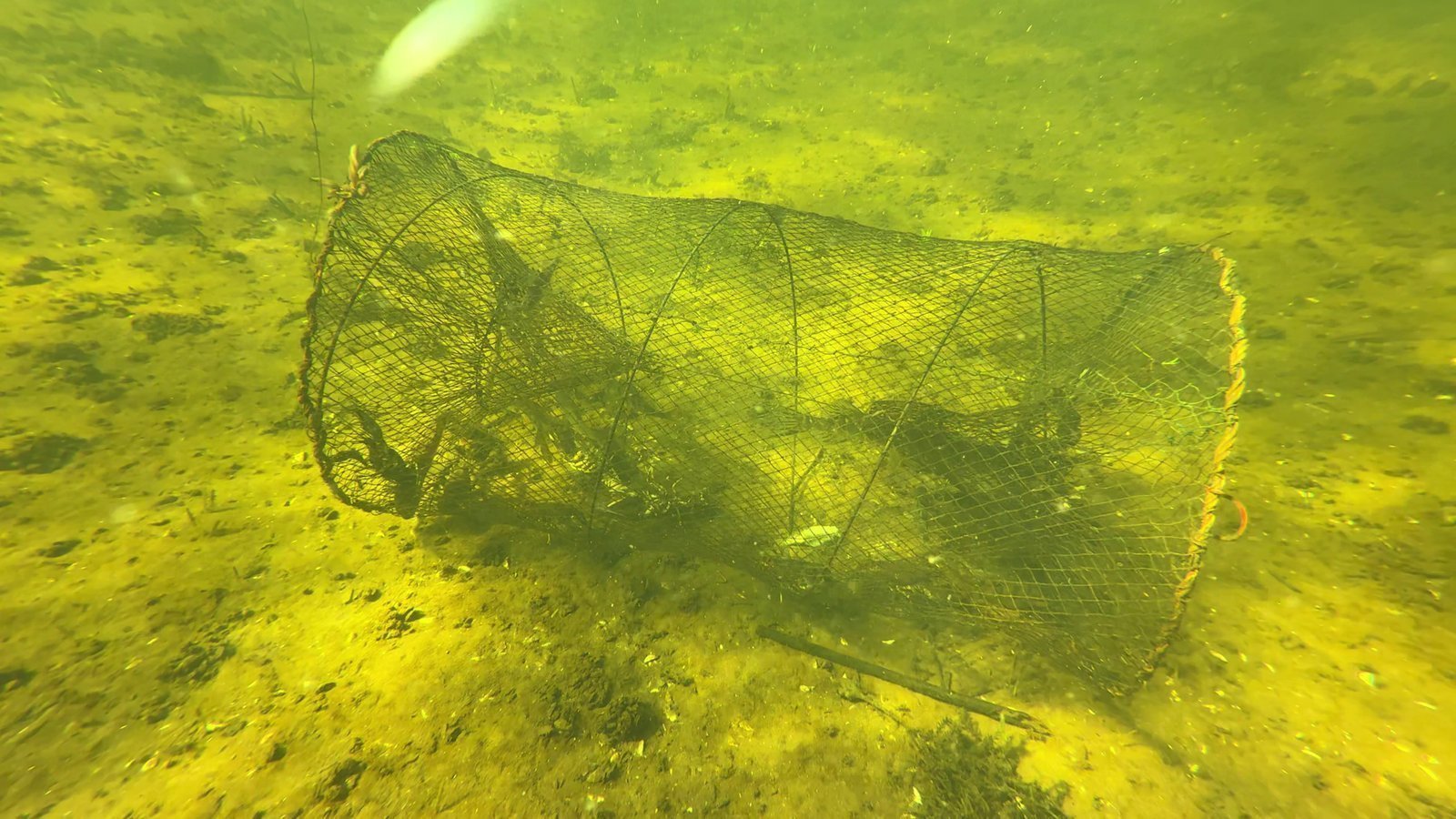
Poacher’s trap full of fish. Lake Dąbie. Removed.
NETS ON A REGULAR BEACH
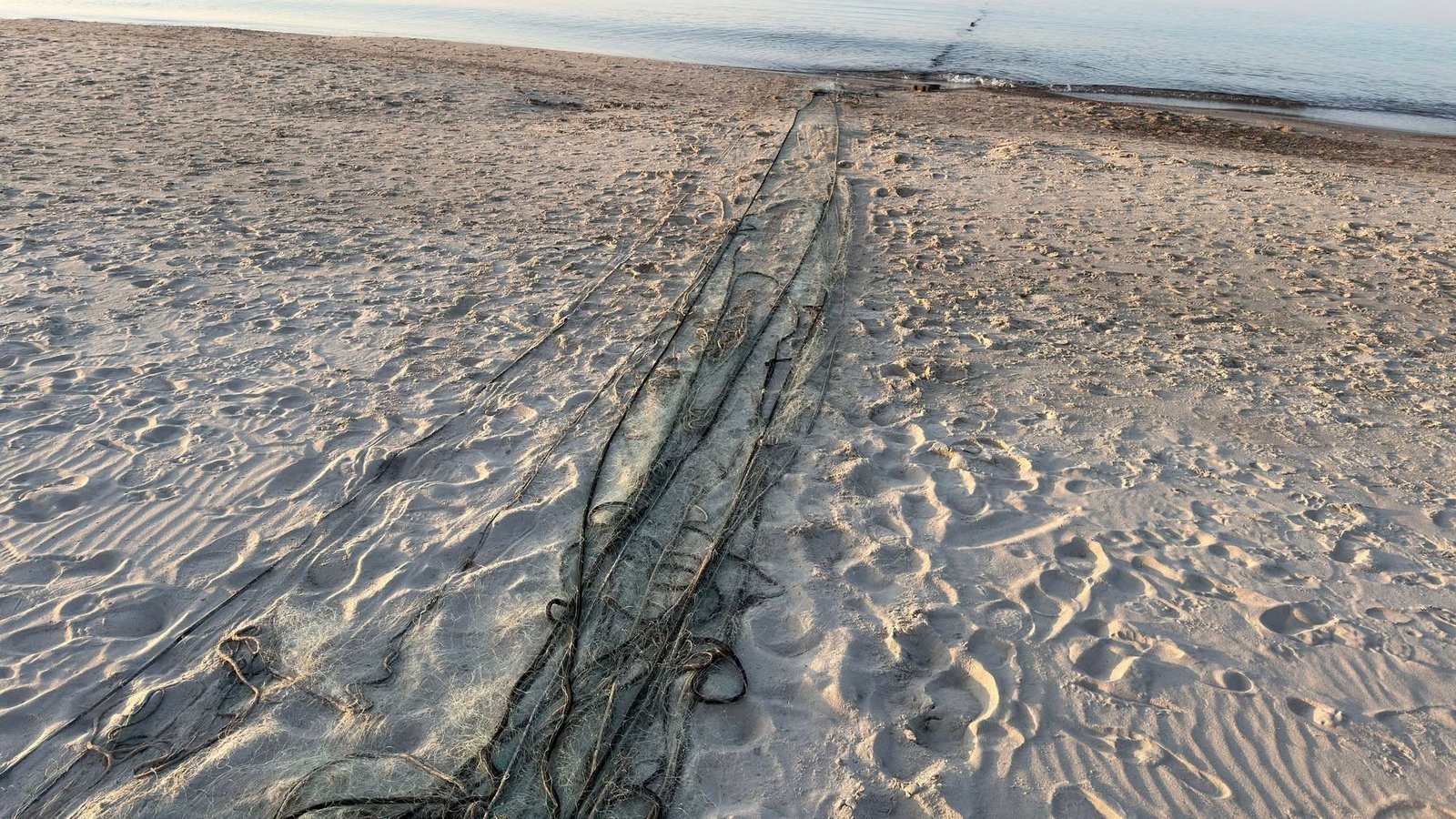
This year, while diving in the Baltic Sea, I came across two poaching nets tied to groynes, located at a regular beach where people were swimming.
The nets started at a depth of calves and stretched further into the sea.
With the waves, they are practically invisible.
Imagine you enter the water normally.
You don’t know that a net is just a few meters in front of you.
You enter and you can simply get caught in it.
This is no longer just a problem for fish.
It is a direct threat to people using the water.
WHO SHOULD FIGHT THIS?
In Poland, the fight against poaching is the responsibility, among others, of officers of the State Fisheries Guard.
But the scale of the problem is huge, and the number of guards is very small.
Across the whole of Poland, there are about 300 guards.
With thousands of lakes, rivers, and hundreds of kilometers of coastline, it’s hard to talk about effectively monitoring everything.
It’s simply a dramatically small number of people.
At the same time, guards often face ridicule and social hostility.
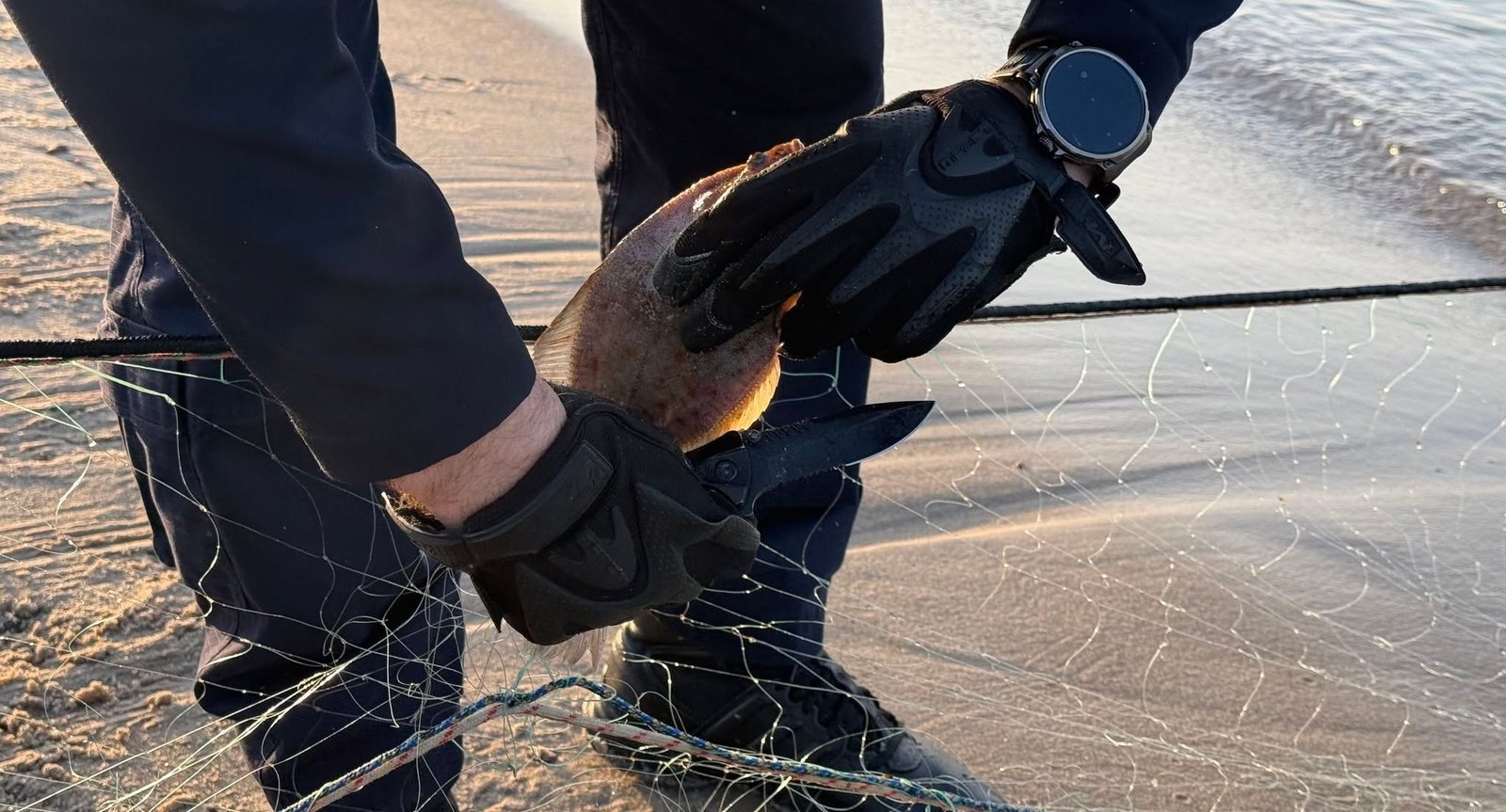
A police officer frees a flounder from a poacher’s net. Baltic Sea, Gąski.
SOCIAL ACCEPTANCE
There is one more problem that is talked about far too little.
In Poland, there is widespread social acceptance of poaching.
Because a poacher needs not only a place where they can illegally catch fish.
They also need a customer.
Many people buy fish that come from poaching:
- privately,
- locally,
- sometimes even wholesale for the catering industry.
And here we should pause.
If someone buys fish knowing or suspecting that it comes from illegal fishing, they fuel this business.
A poacher fishes because someone will later pay for that fish.
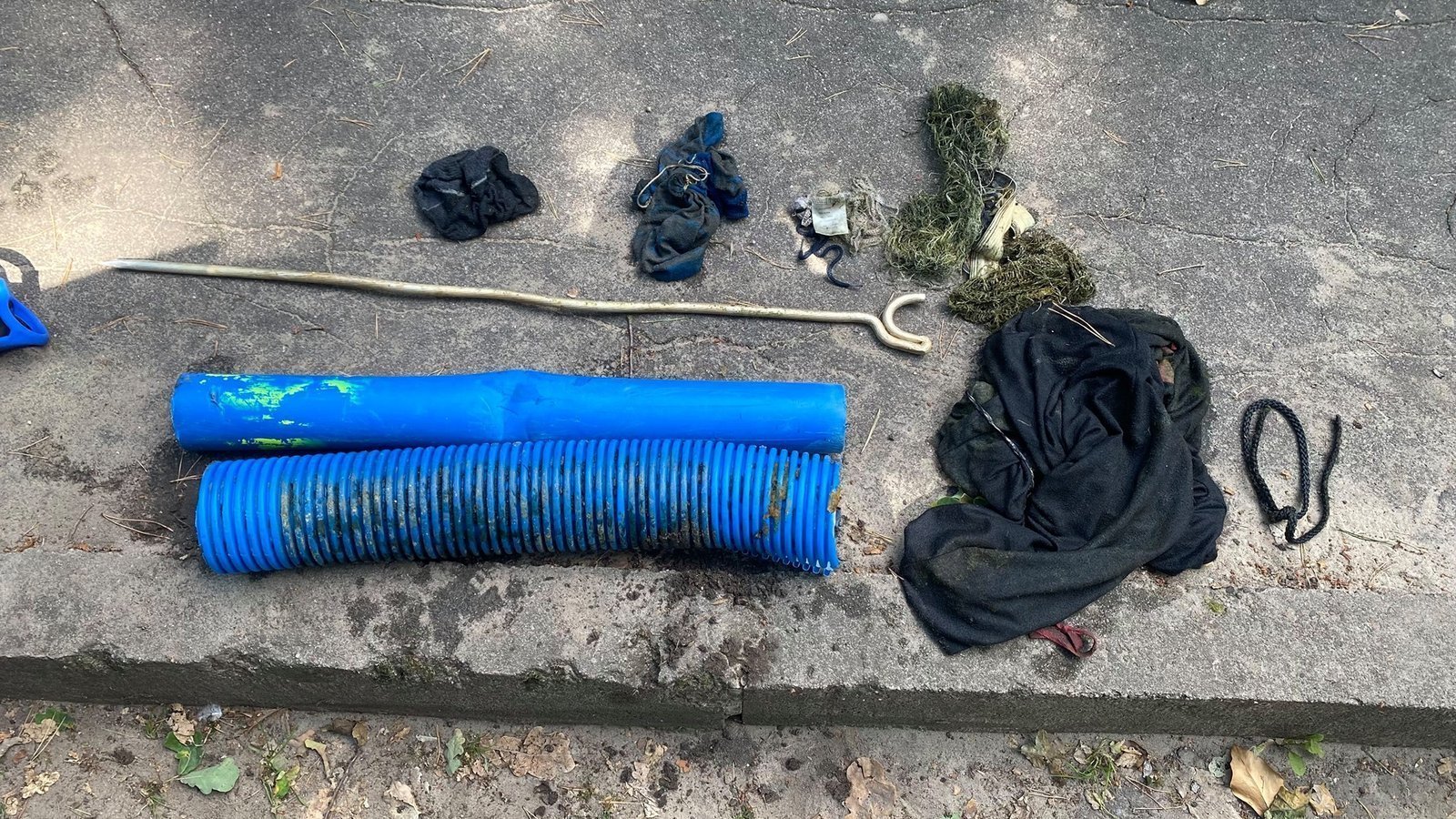
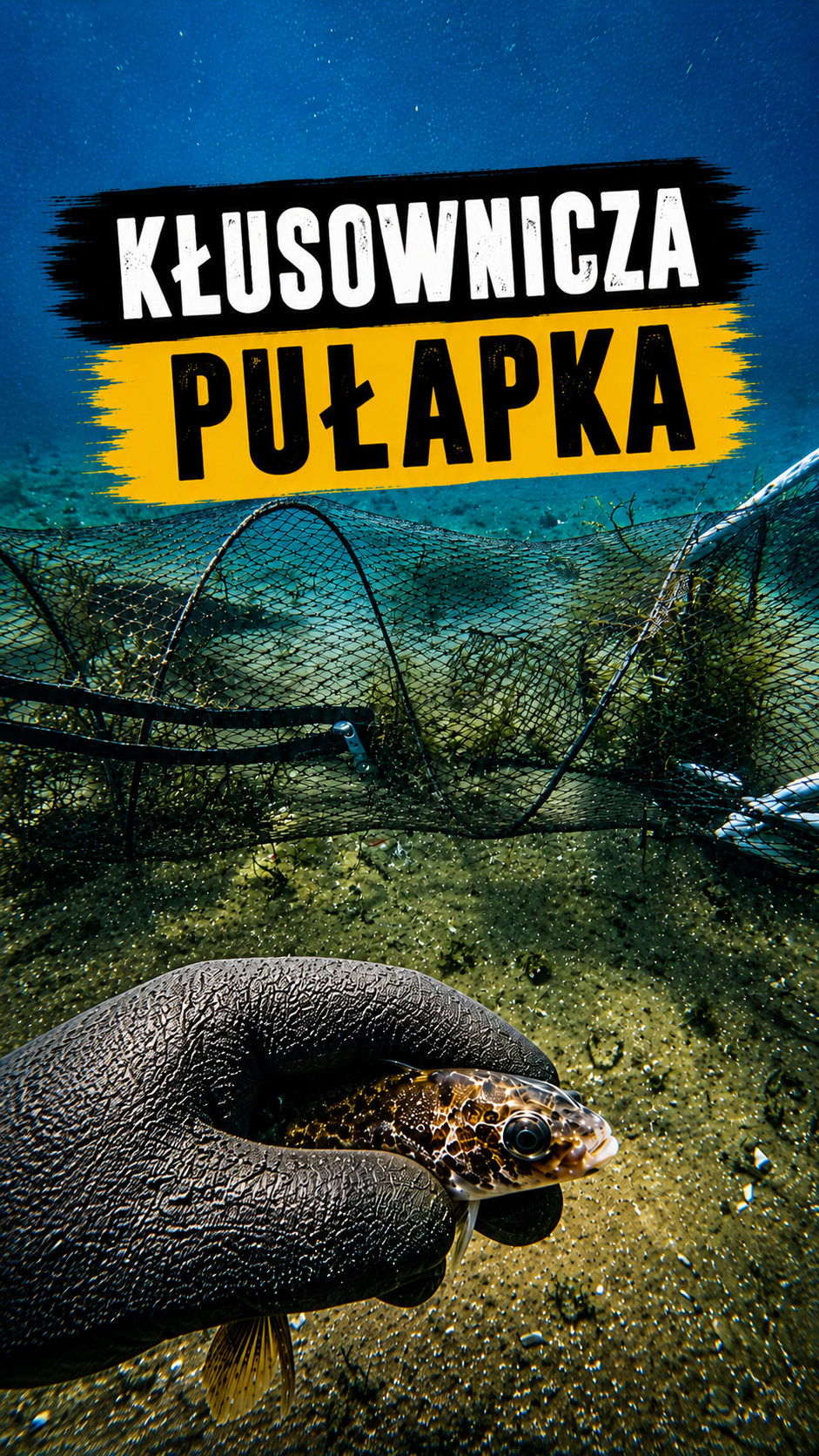
An ingenious eel trap – homemade. Inside was a live eel. Lake Głębokie.
ILLEGAL FISHING IS NOT "FREE ACCESS FISH"
It’s time to stop thinking that fish in a lake or sea belong to no one and can just be taken.
Illegal fishing means breaking rules that are meant to protect fish stocks.
Closed seasons, limits, and species regulations were not created without reason.
A poacher bypasses all these rules.
And the whole environment pays the price.
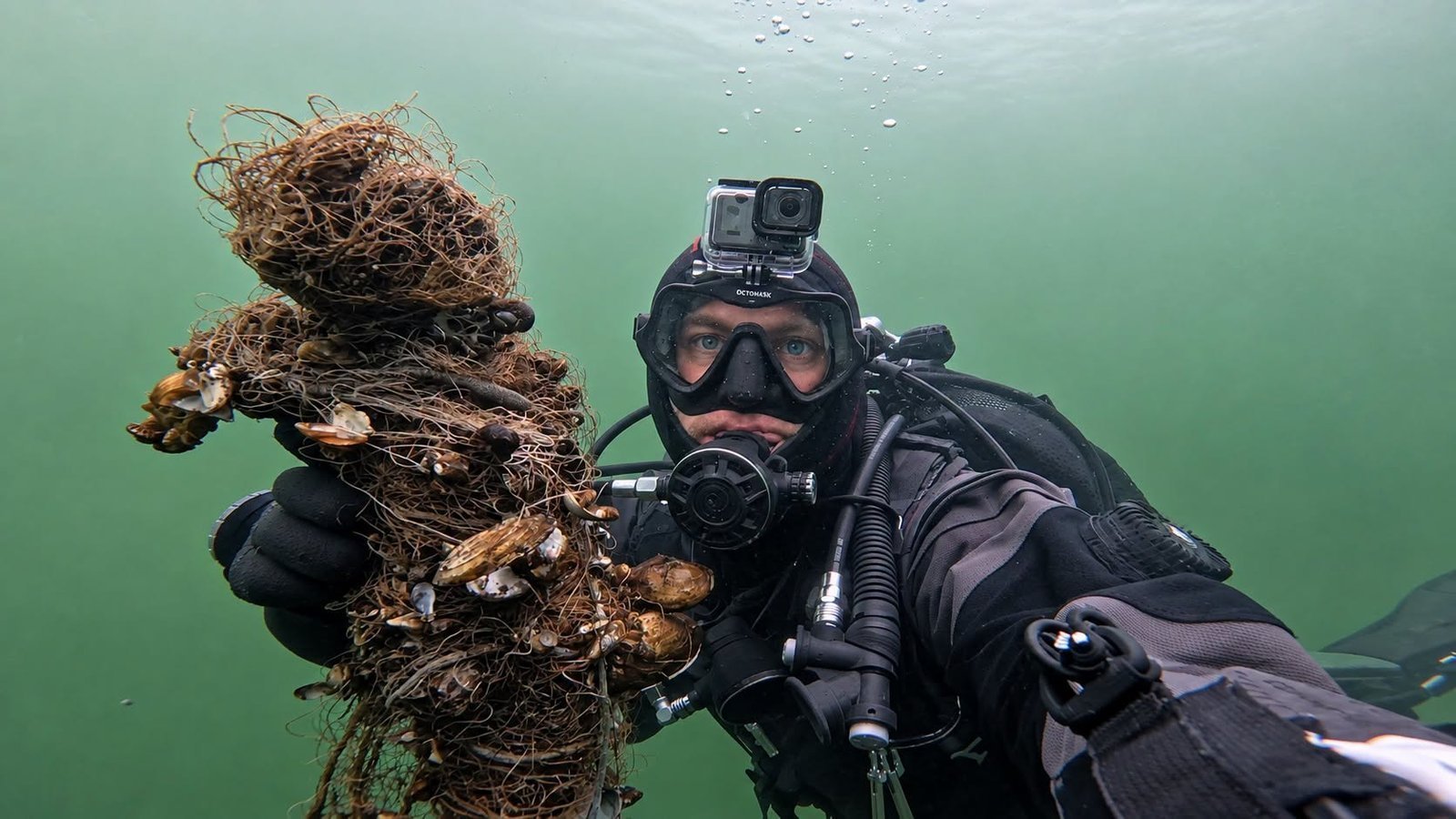
A wonton-type net removed from Lake Drawsko. Secured by the State Fisheries Guard.
WHY IS IT SO HARD TO FIGHT THIS?
Because poaching is often invisible.
A net can be set in a place that no one from the shore watches.
A poacher can operate at night.
They can take fish before anyone has time to react.
And if no one notices, the problem simply disappears from the surface.
That’s why the reaction of people using the water is so important.
A diver can find a net. An angler can notice a suspicious boat. A sailor can see fishing gear set up.
Any such information can help detect poaching.
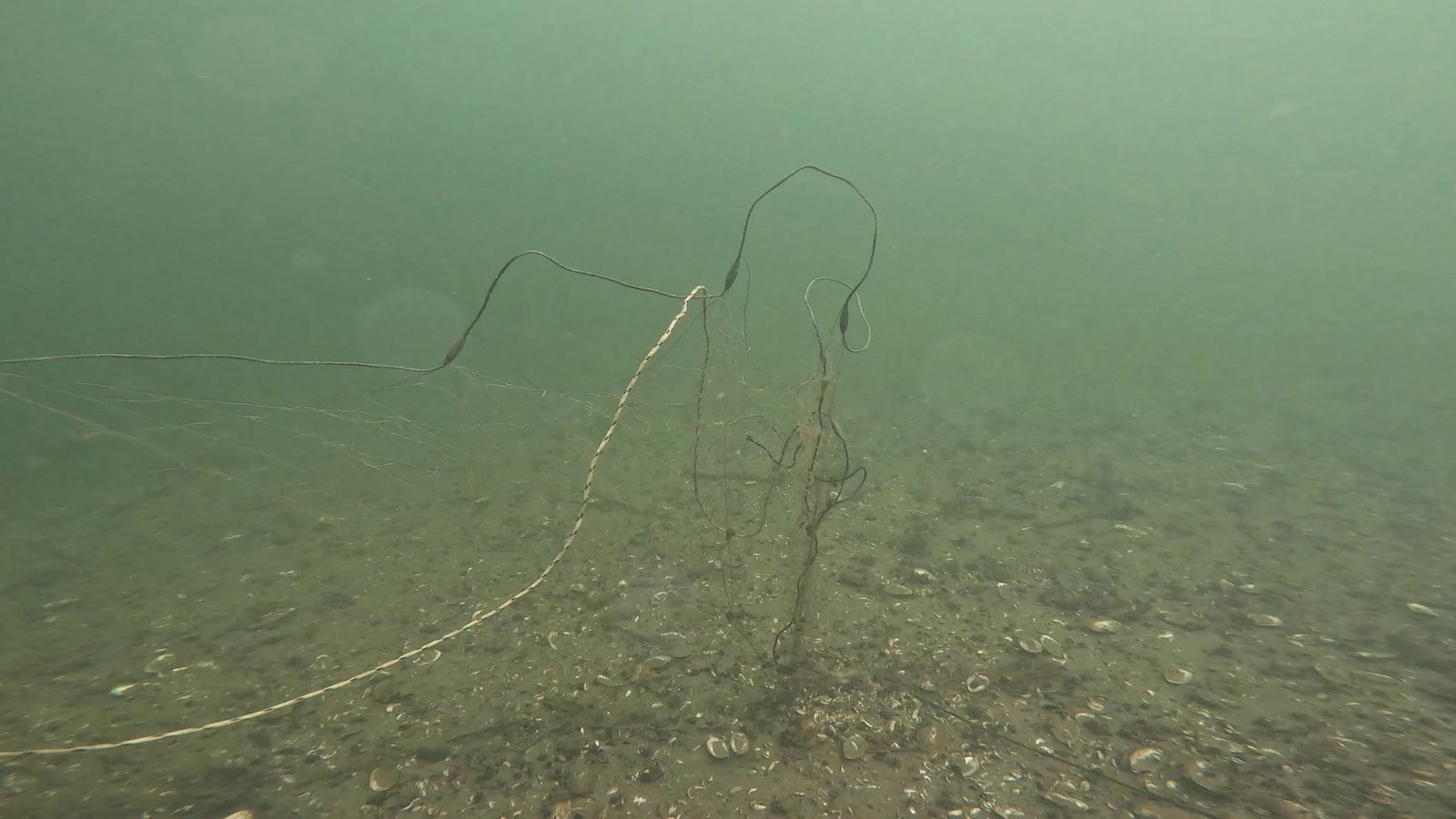
DON’T IGNORE IT
If you notice a suspicious net, fishing gear, or other signs of poaching, don’t pretend you don’t see it.
Don’t risk your own safety and don’t try to confront poachers on your own.
Report the matter to the appropriate authorities.
Because the problem won’t be solved if everyone just says:
"Someone should do something about it."
The problem starts to be solved when someone actually reacts.
The poaching problem doesn’t end the moment fish are taken out of the water. Nets abandoned or lost by poachers remain on the bottom and can kill for a long time after people stop monitoring them. This is another problem to which I dedicated a separate article: Ghost nets – an invisible trap that kills for years
Materials on this topic:

Support me on Suppi!
Support on Suppi →