
Gąski Beach is an interesting diving spot on the Baltic, with easy access and parking close to the beach. The rocky bottom hides plenty of modern finds, and between the stones life thrives – you can encounter crabs, shrimp, jellyfish, flounder, gobies, eels and sea scorpionfish.
Gąski Beach – More Than Just Sand Underwater
Gąski Beach is an interesting diving spot on the Baltic, with easy access and parking close to the beach. The rocky bottom hides plenty of modern finds, and between the stones life thrives – you can encounter crabs, shrimp, jellyfish, flounder, gobies, eels and sea scorpionfish.
ROCKY BOTTOM FULL OF LIFE
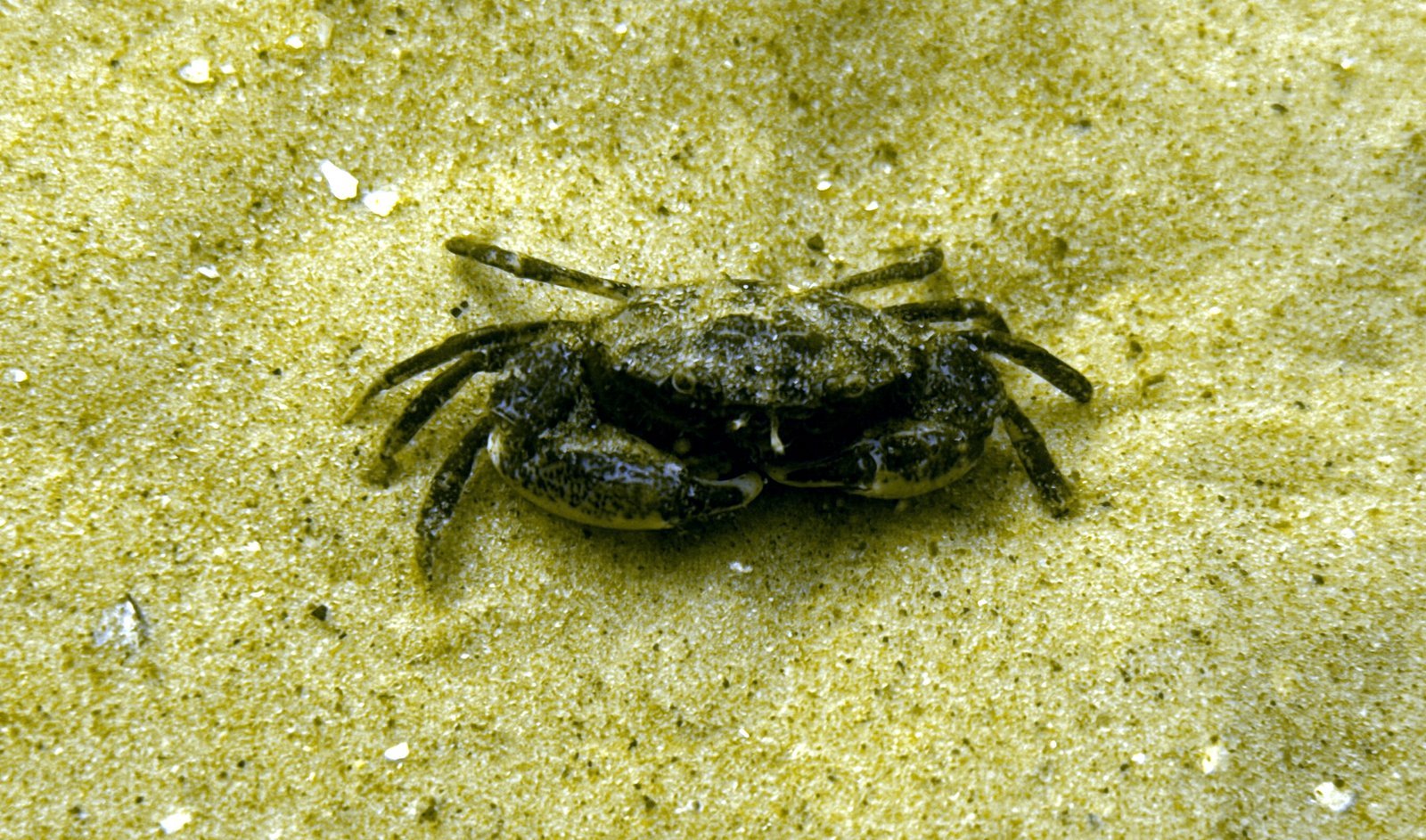
Underwater, Gąski looks completely different than from the surface. The rocky bottom is full of life, and between the stones you can encounter many different animals.
While diving here I saw crabs, shrimp, jellyfish, flounder, gobies and eels. I also came across sea scorpionfish.
This is exactly the kind of place I like most. You just need to look carefully at the bottom to notice more animals hiding between the stones.
STONES ALSO HIDE FOSSILS
The rocky bottom can be interesting not only because of modern finds. Among Baltic stones you can also come across fossils – remains of organisms that lived hundreds of millions of years ago. Fossils occur primarily in sedimentary rocks, such as limestone and sandstone.
This is another reason to carefully examine what lies between the larger boulders while exploring the bottom.
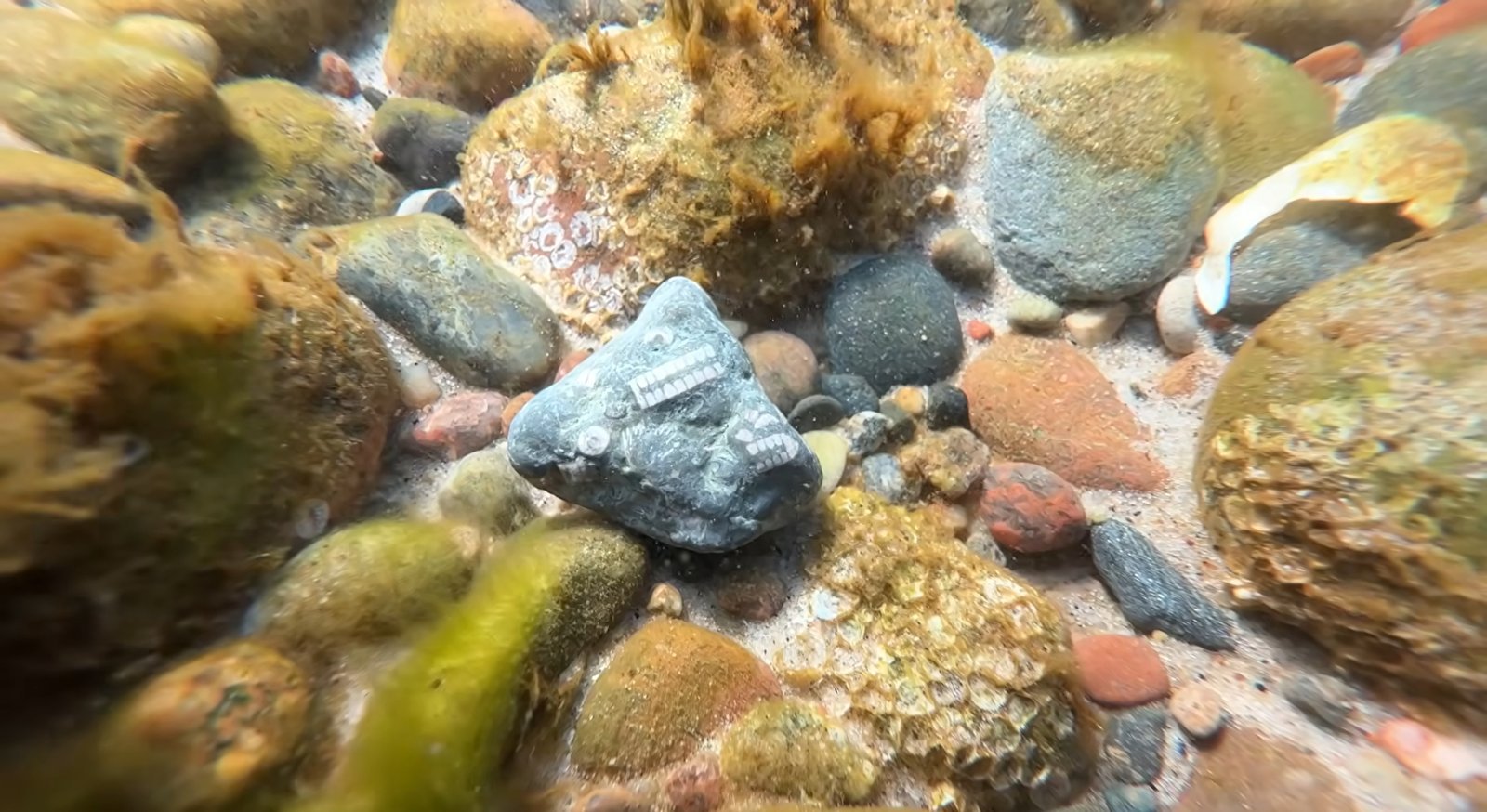
Fossils are hard to spot, here is a crinoid.
MODERN FINDS
The rocky bottom also offers considerable opportunities for underwater exploration. You can find various kinds of modern objects here, so it's worth carefully observing every part of the bottom while diving.
Unfortunately, along with interesting finds underwater there is also a lot of trash. This is one of the problems clearly visible when exploring this place.
FISHING NETS CLOSE TO THE SHORE
Another problem is fishing nets set very close to the shore.
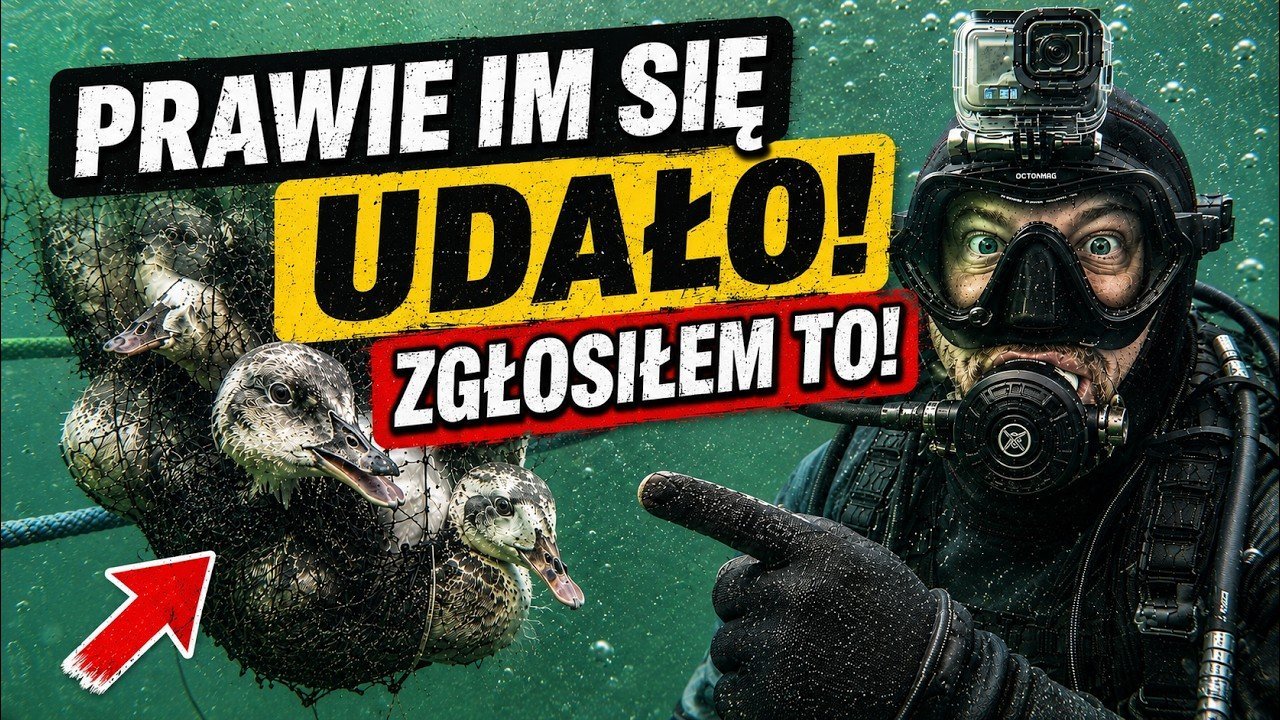
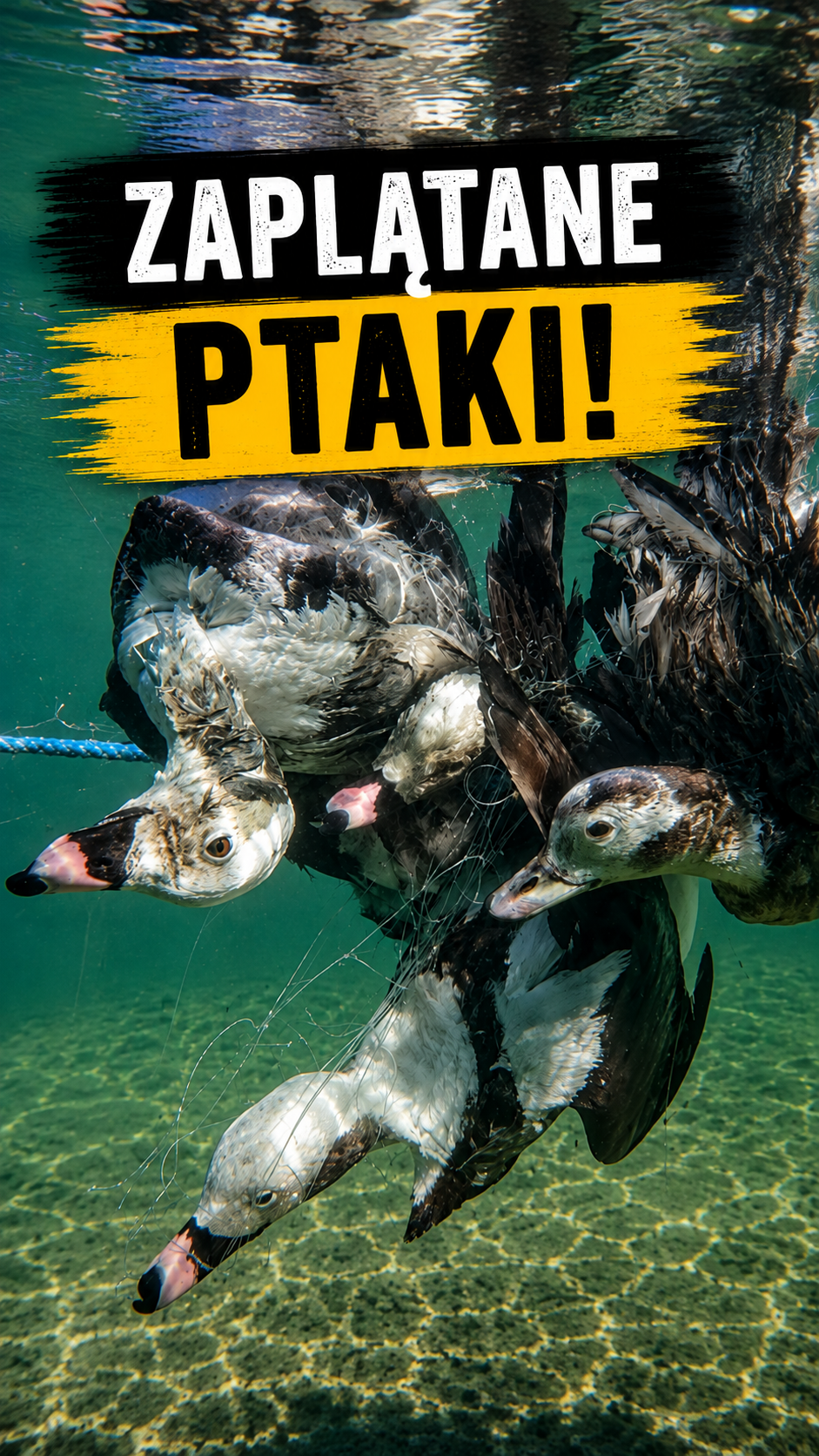
This is where I found birds – divers – trapped in fishing nets. This situation shows how great a threat fishing equipment located near the shore can be for marine animals.
A net can become a deadly trap not only for fish, but also for birds and other animals that find themselves in its reach.
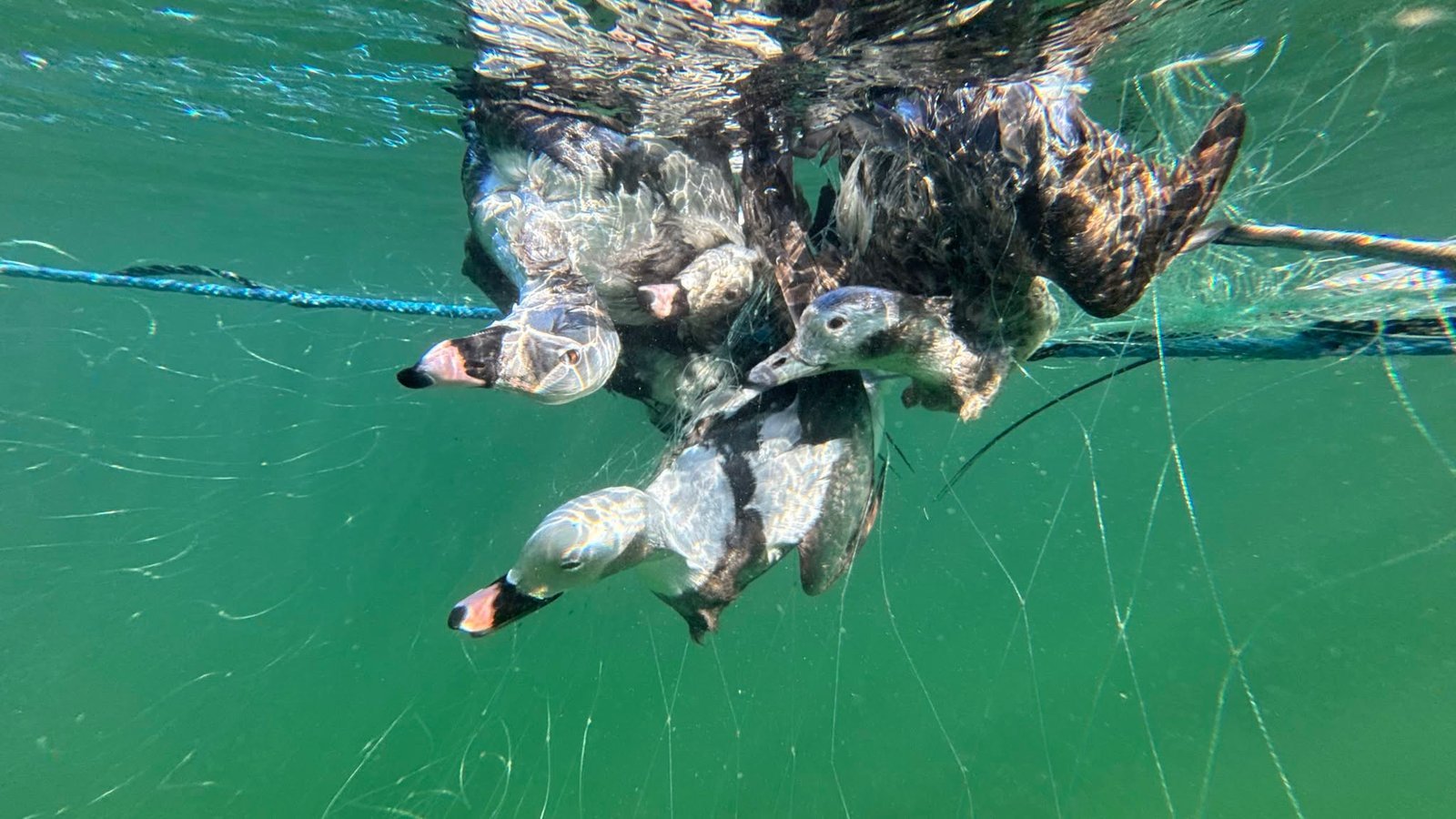
Divers – sea ducks killed by fishing nets – are under strict protection.
TWO POACHING NETS RIGHT AT THE SHORE
Gąski is also a place where I came across two poaching nets practically right at the shore.
Their location was particularly dangerous because they were located where people also enter the water to use the beach.
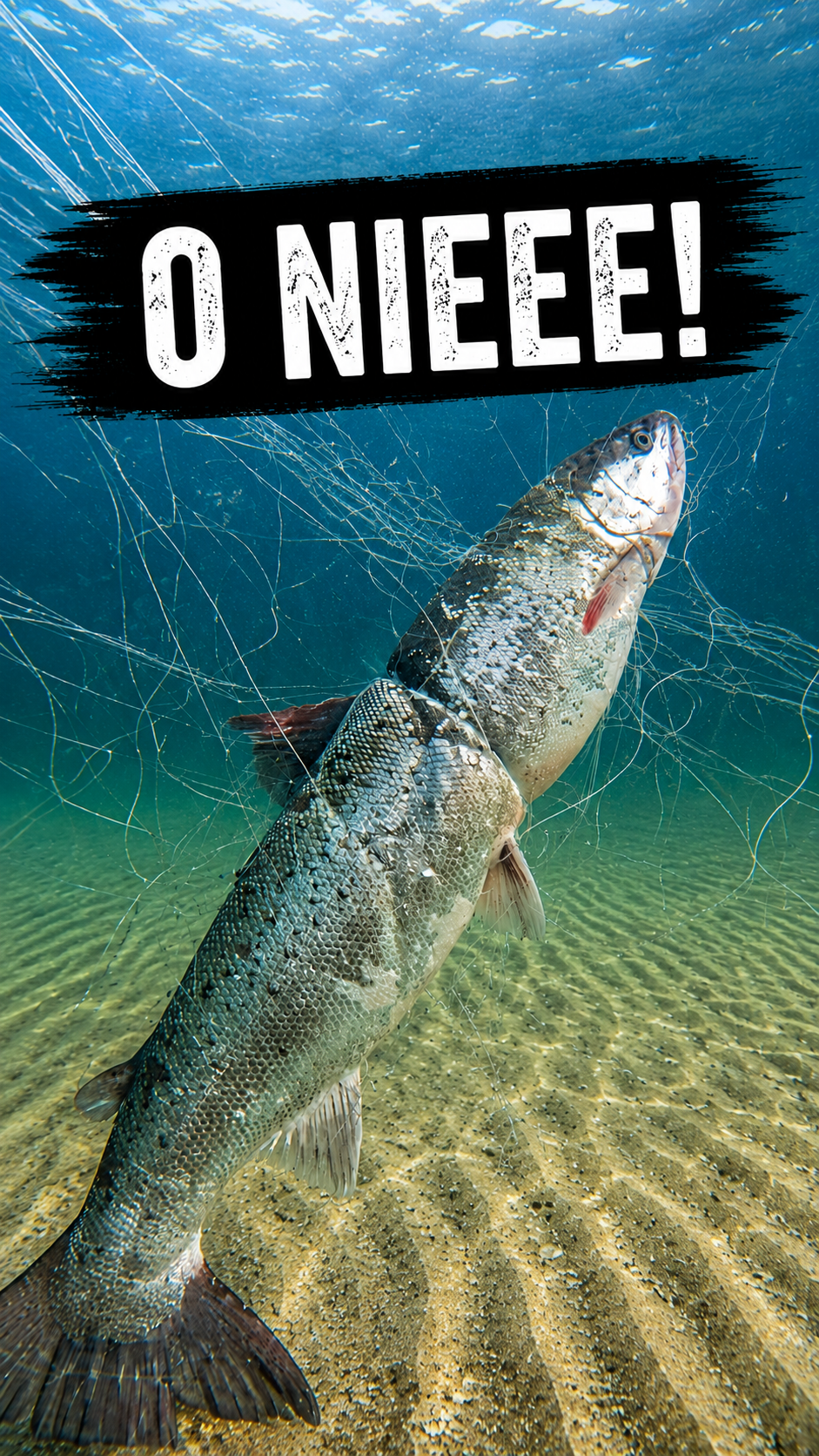
I reported them to the Police, who removed the nets.
This is another example that while diving in the Baltic Sea, you can encounter not only interesting finds, but also things that pose a real threat to people and animals.
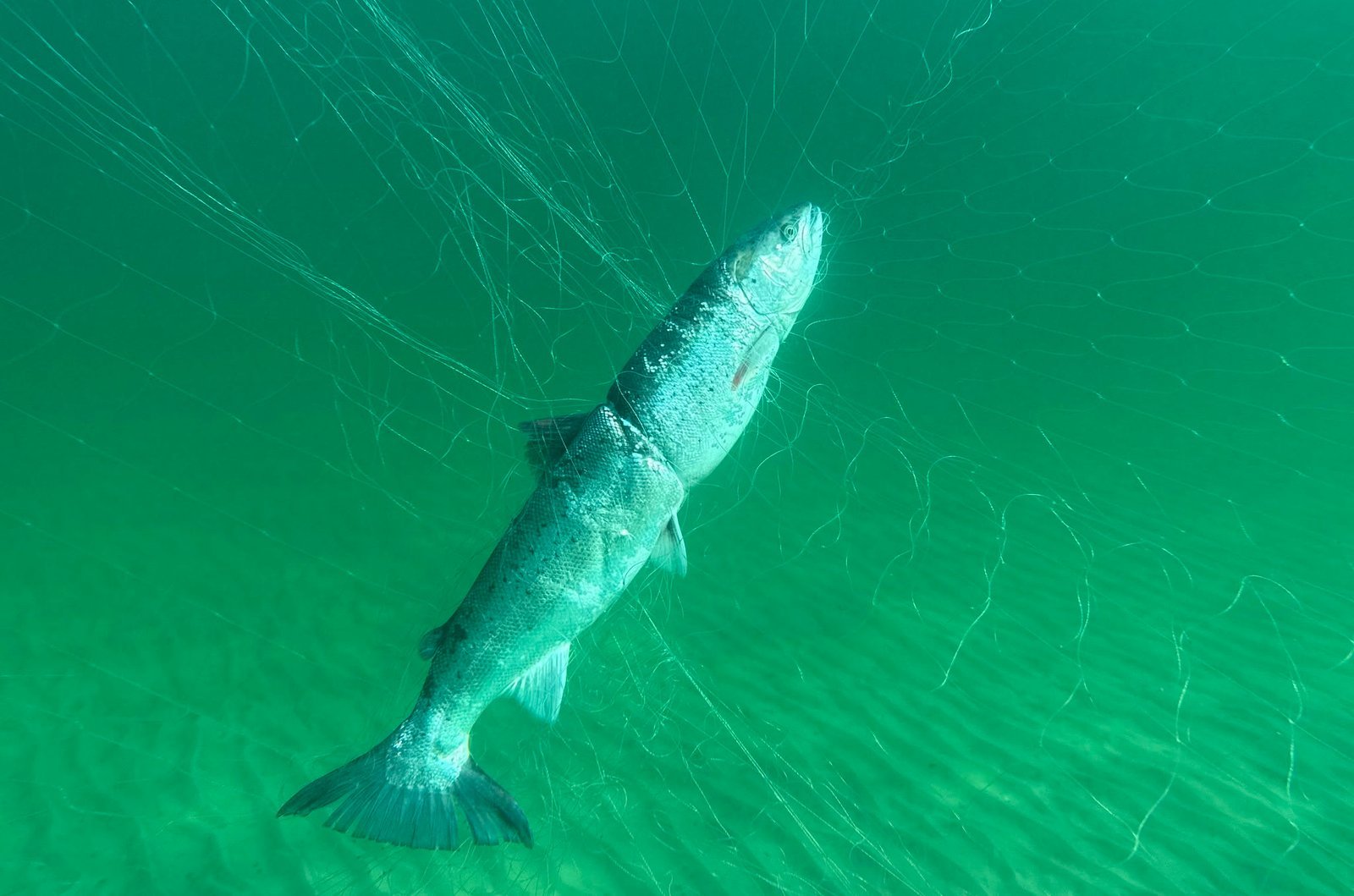
Trout in a poacher's net, released.
GĄSKI – AN INTERESTING DIVING SPOT
Despite problems with garbage and nets Gąski has really great diving potential.
Easy access, parking located close to the beach, stony bottom, rich underwater life, fossils and the possibility of finding contemporary objects make it an interesting place for people who enjoy exploring the Baltic and carefully looking between the stones.
Gąski show two sides of our sea at the same time. On one hand, we have rich life hidden between stones and an extraordinary history recorded in fossils, on the other – garbage, fishing nets and poaching equipment left beneath the surface.
Materials from Gąski:
Support me on Suppi!
Support on Suppi →