
A fishing net lost underwater stops being a net. It continues to fish. There is no longer a boat. There is no fisherman. No one checks on it. And yet for a long time it remains a deadly trap for everything. This is precisely a ghost net.
FISHING LEAVES A DEADLY TRAP BEHIND
This must be said outright: ghost nets are a problem connected with fishing activity. They are fishing gear that has been lost, torn, or left in the water.
And the problem is far from small.
In the Baltic Sea, fishermen lose approximately every year 5–10 thousand nets. That's thousands of plastic traps that, instead of being pulled out of the water, remain on the bottom.
For a fisherman, a net may be lost equipment.
For a lake or sea, it's just the beginning of the problem.
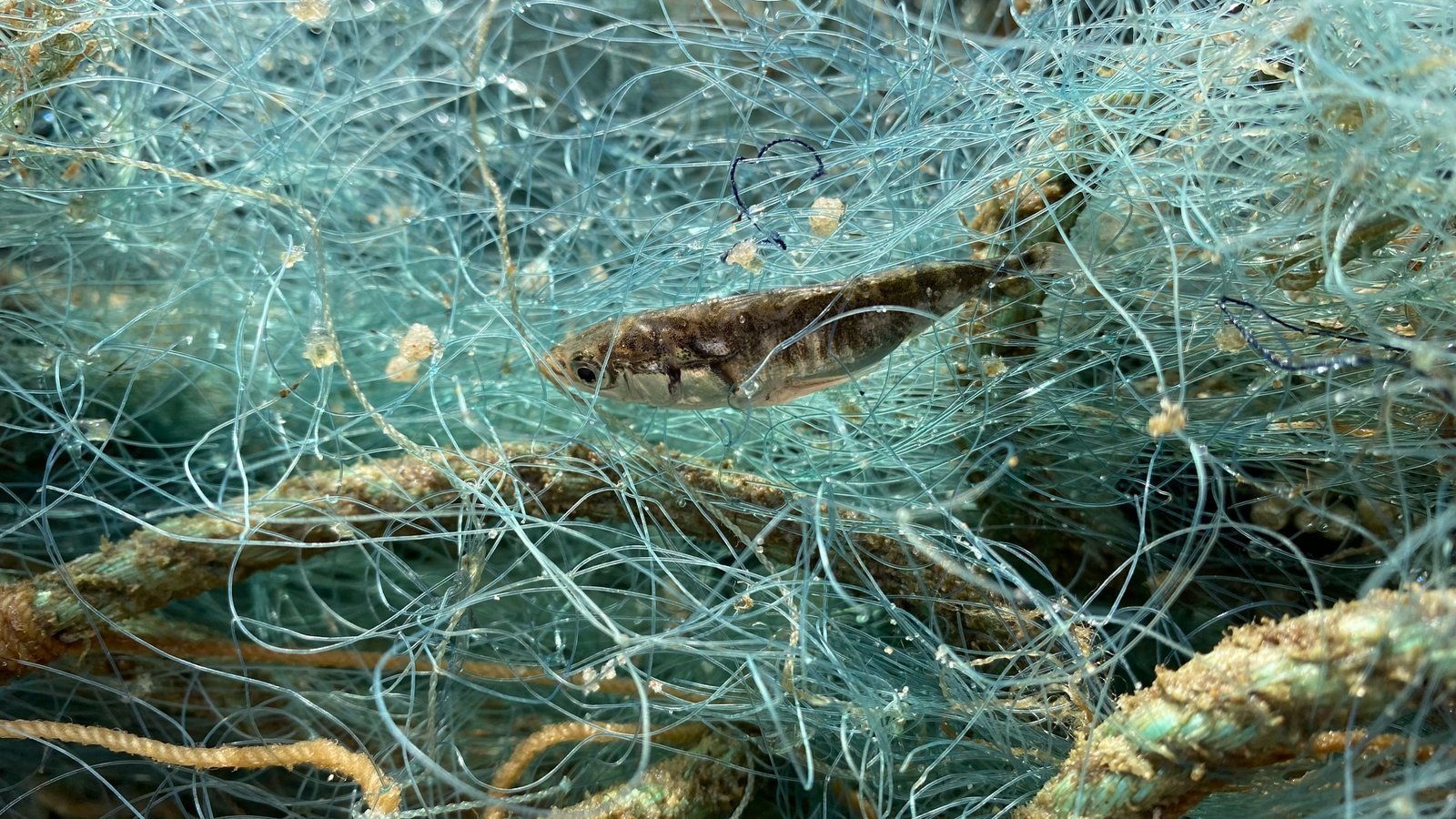
A tiny fish tangled in a plastic net. It was returned to the water.
THE NET STILL KILLS
A lost net can continue to catch animals for many months, even years.
Research shows that in the first months it can retain approximately 20% of its original fishing effectiveness. Later its effectiveness decreases, but doesn't disappear. Studies of the Baltic have shown net activity even after 27 months.
A fish enters the net and dies.
Its body can attract more animals.
More animals also die.
And so a closed cycle of death is created.
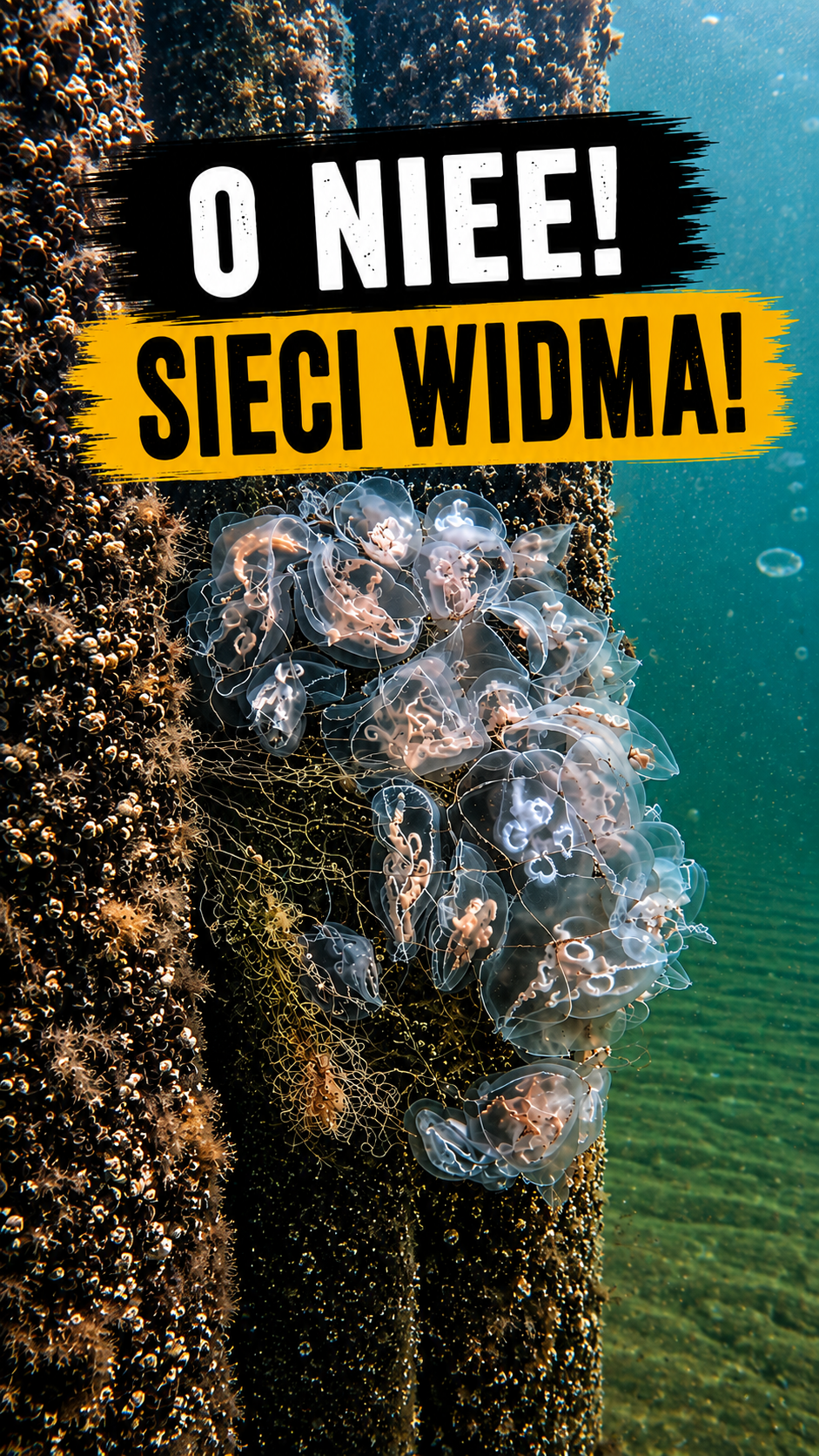
Nets can trap more than just fish. Diving birds, seals and porpoises also become tangled in them.
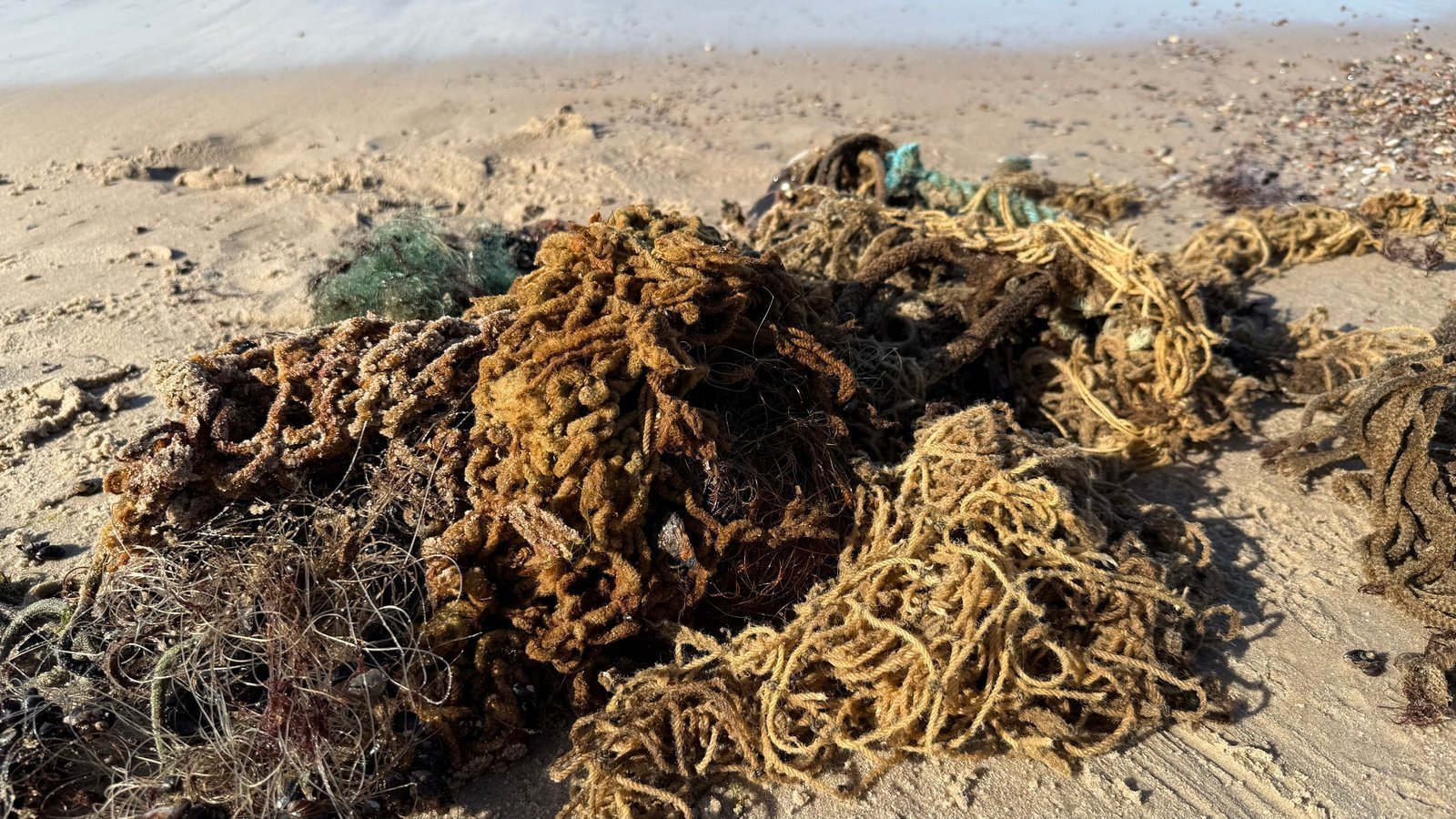
Nets removed from a wreck in the Kołobrzeg area.
THIS IS PLASTIC
Modern fishing nets are made primarily from synthetic materials.
They don't dissolve in water. They don't disappear after one season.
Over time they deteriorate, break down into smaller and smaller fragments, and remain another source of plastic in the environment.
So we have a completely absurd situation:
man created a tool for catching fish, lost it, and it continues to catch – while simultaneously becoming plastic waste.
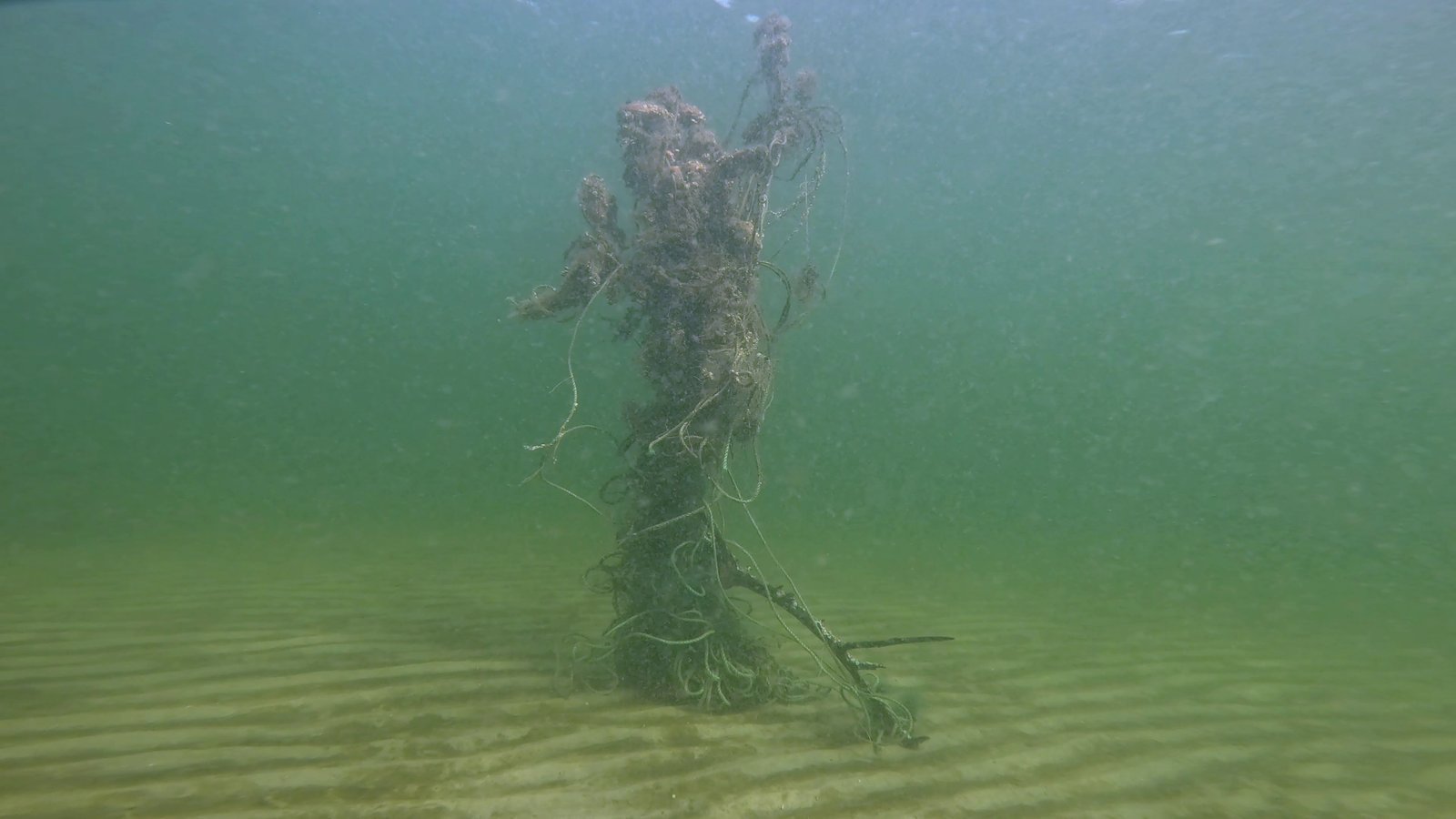
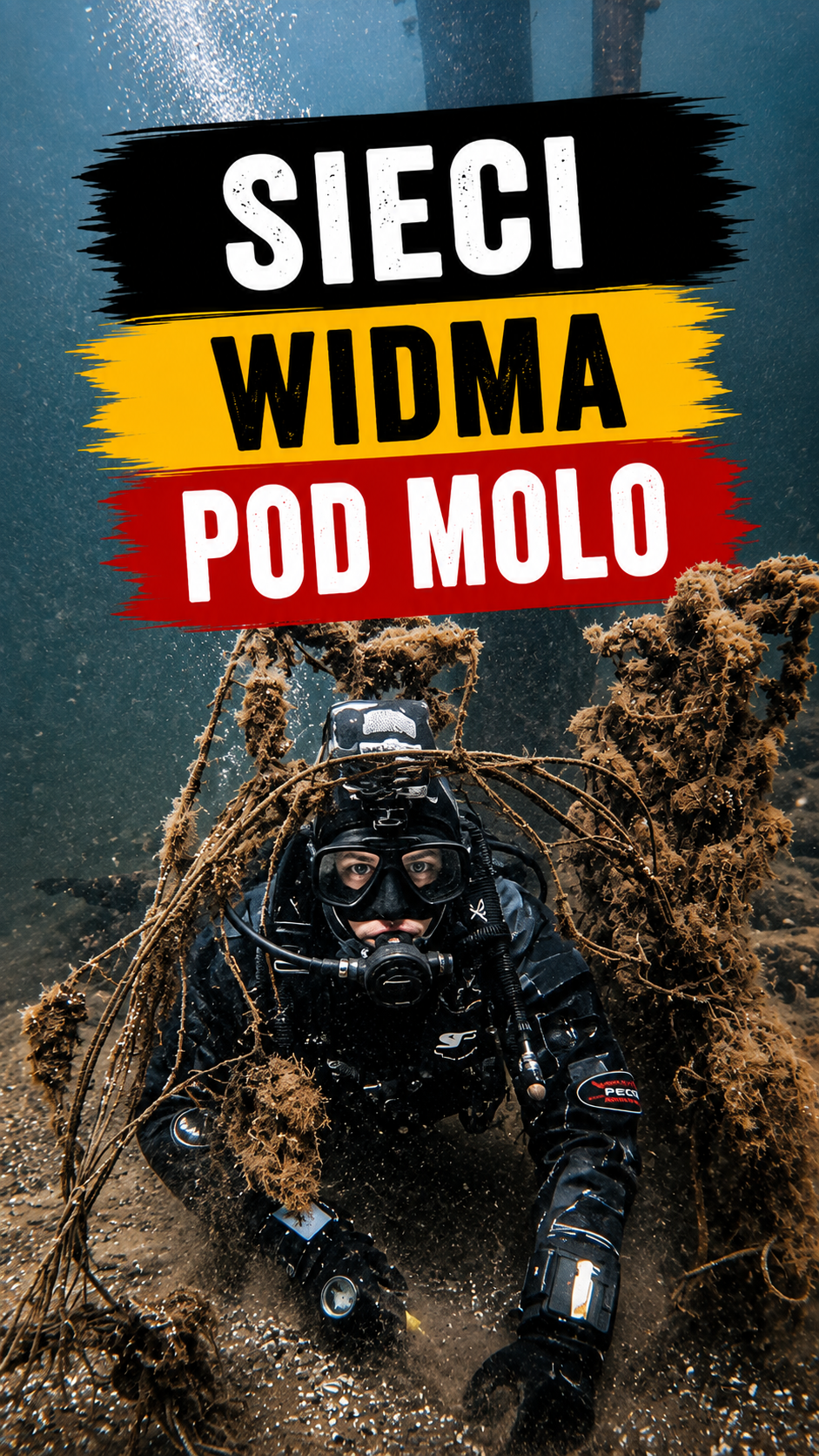
A net found under the pier in Międzyzdroje. Pulled out.
WHO PULLS THEM OUT?
And here begins another problem.
Nets end up in the water as a result of fishing activity, but once they disappear below the surface, finding and removing them is very often undertaken by volunteer divers and social organisations.
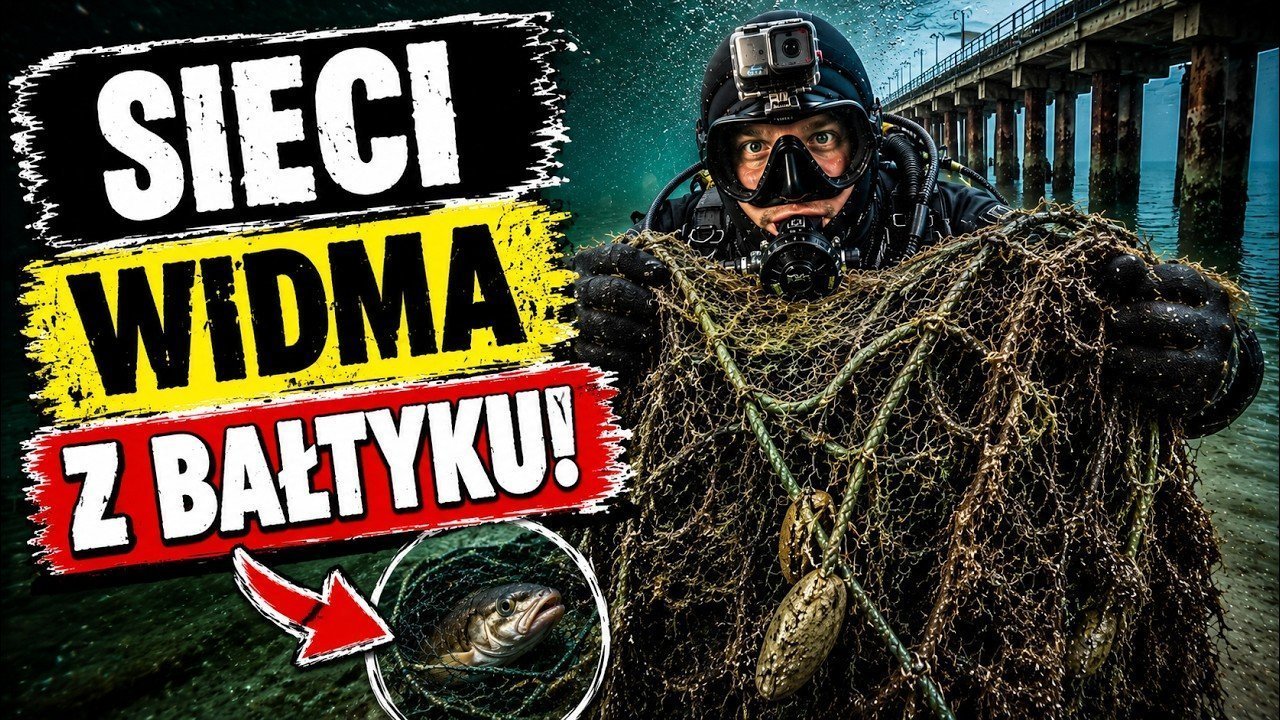
I also dive underwater and pull them out.
It's not simple cleanup.
Cold water. Silt. Poor or zero visibility. The net caught on the bottom, vegetation, a wreck or other obstacles.
You have to find it, safely detach it and retrieve it.
And all of this to remove from the water something that should never have ended up there in the first place.
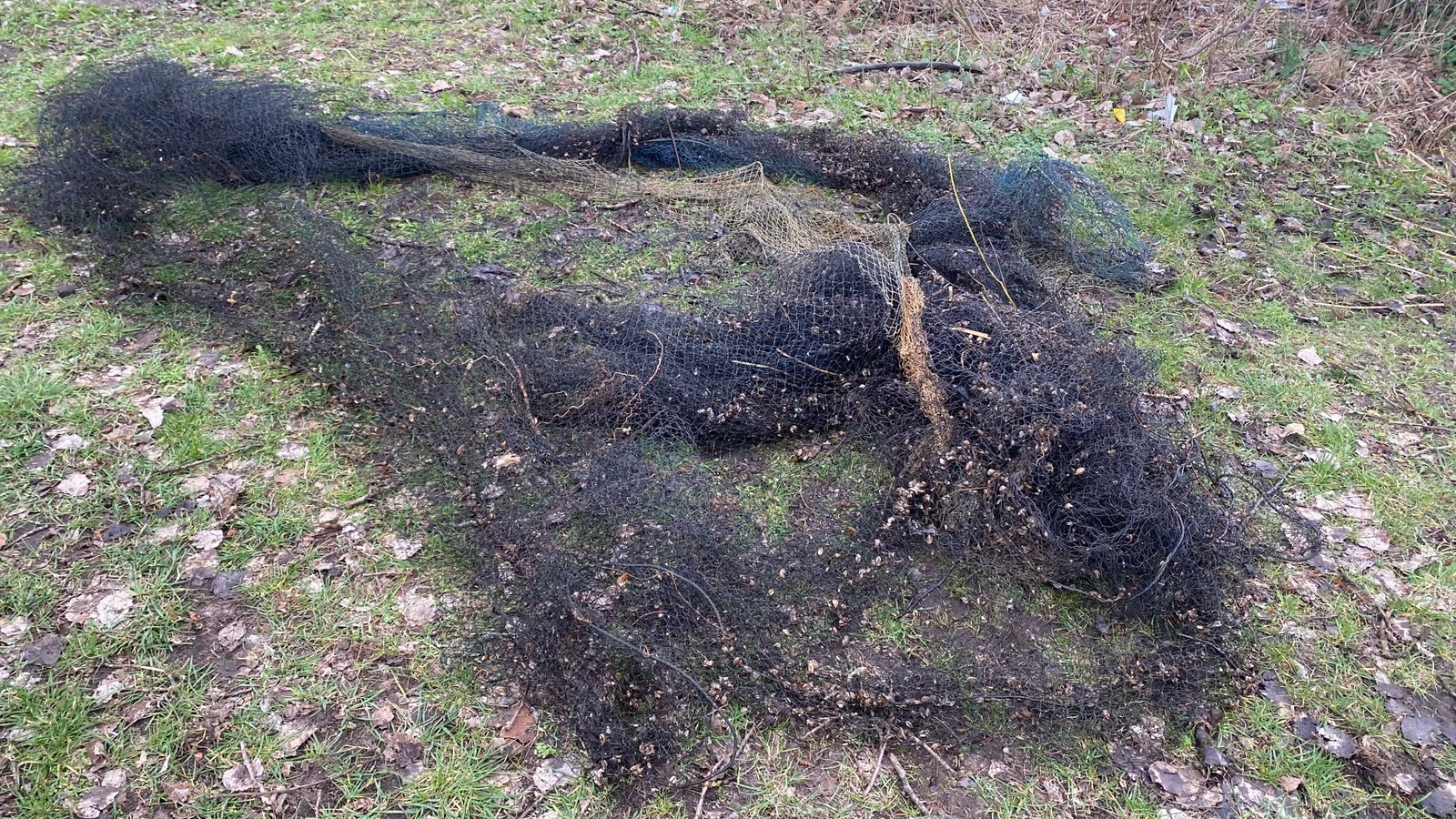
A net retrieved from Lake Drawsko.
WE CAN'T KEEP CLEANING UP THE CONSEQUENCES
I can pull out one net.
I can pull out another.
Other divers can do it.
But if more nets keep ending up in the water, the problem will keep coming back.
That's why cleaning up alone is not enough.
We need to reduce the creation of ghost nets in the first place and effectively recover lost equipment.
Governments and institutions responsible for water management and fisheries should take this problem seriously, rather than leaving it to people who sacrifice their own time, equipment and safety to clean up after someone else's activity.
Because it cannot be that the fishing industry leaves the problem underwater, and divers have to pull it out later. Right now it's classic—profits are private but costs are socialized.
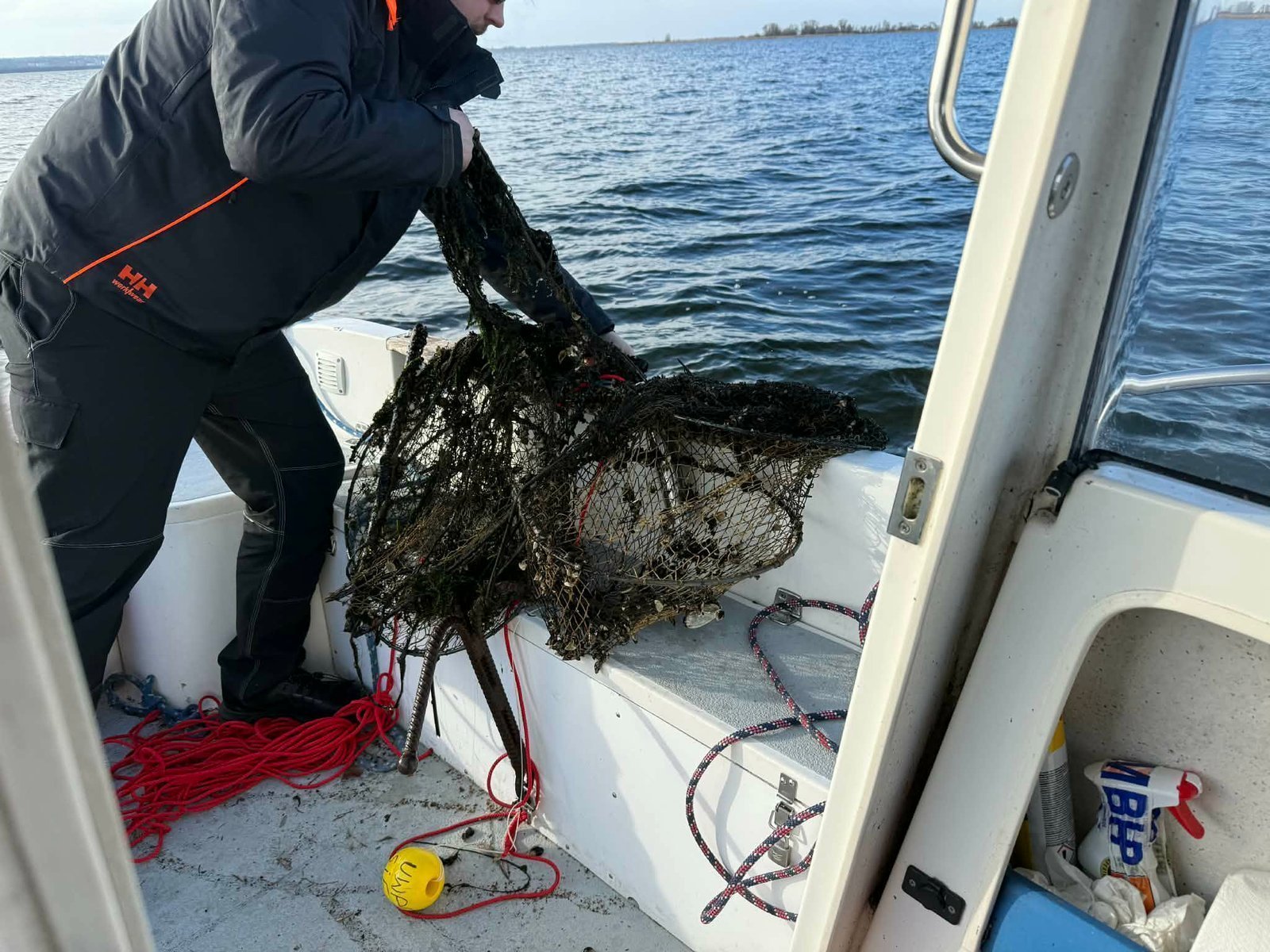
A joint operation to remove ghost nets with the Sea Fisheries Inspection in Szczecin, Lake Dąbie.
THAT'S WHY I ACT
I don't just want to show ghost nets in videos.
I want to remove them.
I dive underwater, find them and pull them out. I also show what really lies on the bottom of Polish lakes and the Baltic Sea.
Because a ghost net may be invisible to a person standing on the shore.
But for an animal that swims into it, it is a very real trap.
And as long as such nets remain underwater, I will talk about it and pull them out.
So far I have removed 37 nets and traps from Polish waters that posed a lethal threat to the animals living there.
Ghost nets are not always the result of accidental loss of equipment. Some are also left behind by poachers who use nets for illegal fishing. After their loss or abandonment, the nets remain in the water and kill more animals. You can read more about poaching itself and its scale in Polish waters in the article: Poaching – An illegal business that ravages our waters
Materials on this topic:
Support me on Suppi!
Support on Suppi →